Why Does My House Smell Musty Even After Cleaning?
That musty smell in your Newbury Park home usually isn't dirt - it's hidden mold growing in a wall, crawl space, or HVAC system. Here's how to find it.
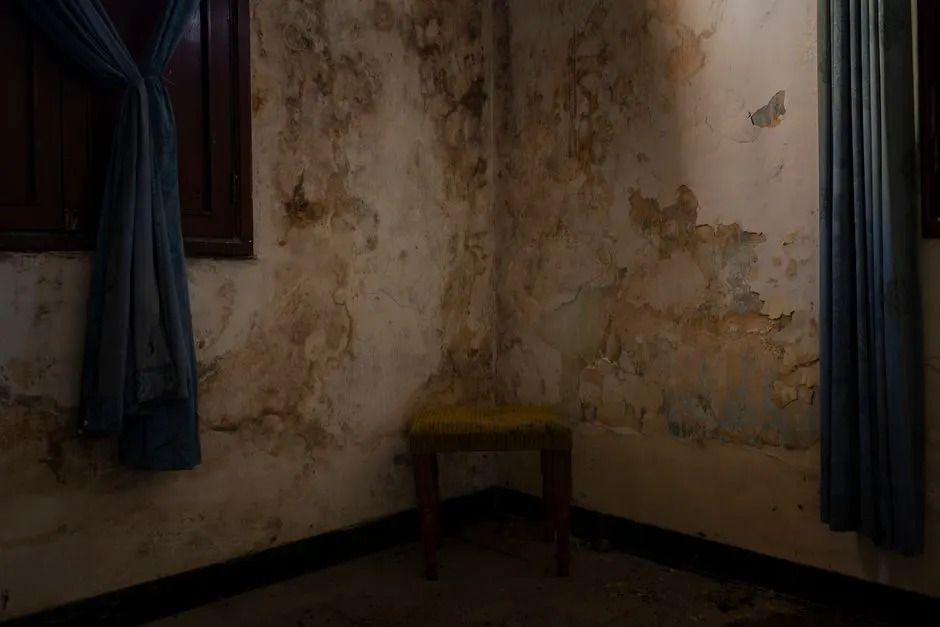
If your house still smells musty after you have mopped, vacuumed, and washed every surface, the odor is not coming from dirt - it is coming from mold growing where you cannot see it. Cleaning removes the smell from surfaces, but it does nothing to the colony living inside a wall cavity, under the flooring, or inside your HVAC system, which is why the smell returns within hours.
We handle this exact complaint every week across Newbury Park, and in almost every case the fix is not more cleaning. It is finding the moisture source and removing the mold at the source.
The short answer: you are cleaning surfaces, not the source
Mold produces musty odors as a byproduct of digestion - the same way yeast makes bread smell like bread. Those odor compounds are gases, and gases travel. A colony the size of a dinner plate inside a wall can make an entire 2,000-square-foot house smell like a wet basement.
When you clean, you wipe away the odor molecules sitting on countertops and floors. Within a few hours, the colony produces more, and the smell is back. That cycle - clean, smell gone, smell back - is the single most reliable sign of hidden mold growth. If you have run that loop more than twice, stop cleaning and start looking for moisture.
For a full explanation of what Mold Remediation Service actually involves, the short version is this: we locate the water source, remove the moldy material, dry the structure, and verify the air is clean. Cleaning is step zero, not the solution.
Why does my house smell musty even after cleaning in Newbury Park, California?
Newbury Park sits in a microclimate that makes hidden mold unusually common. Morning marine layer pushes inland through the Conejo Valley, humidity climbs, and then afternoon sun bakes the exterior of the house. That daily wet-dry cycle drives moisture into wall assemblies and attic spaces, and mold only needs about 24 to 48 hours of elevated moisture to start growing.
Add the local building stock and the picture gets clearer. Much of Old Newbury Park was built between the late 1950s and the 1970s, when vapor barriers were minimal and bathroom exhaust fans often vented into the attic instead of outside. Homes in Dos Vientos Ranch are newer, but they are tightly sealed - which means any leak inside the envelope stays inside the envelope.
Three local patterns show up again and again:
- Slab leaks and pinhole pipe failures. Copper supply lines in 1960s homes develop pinhole leaks that drip inside a wall for months before anyone notices.
- Roof and flashing leaks after Santa Ana wind events. A single wind-driven rain event can push water past a flashing detail that has held for a decade.
- HVAC condensate drain clogs. When the drain pan overflows into the attic insulation, you get mold growth directly above the bedrooms.
If you have had any water intrusion in the last year - a slab leak, an overflowing toilet, a roof leak during a storm - that is your first place to look. Homeowners dealing with Water Damage Mold Remediation in NEWBURY PARK, California almost always describe the same musty smell you are noticing now.
The 6 places musty odors hide in Newbury Park homes
We have opened up hundreds of walls in this area, and the mold is rarely where the homeowner expected. These six locations account for the vast majority of musty odor calls we run.
1. Inside wall cavities below windows
Window flashing failures let water into the wall below the sill. The drywall looks fine from inside the room. Pull the baseboard and you find black staining on the back of the drywall and the bottom plate of the framing.
2. Attic sheathing and insulation
Attic mold is extremely common in Newbury Park because of the temperature swing. Look at the underside of the roof deck near the ridge and around any exhaust fan that vents into the attic rather than through the roof. If you see dark staining on the plywood, that is mold, and it is feeding the smell in the bedrooms below.
3. Crawl spaces
Homes with raised foundations and vented crawl spaces pull humid outside air underneath the house every night. Bare dirt floors without a vapor barrier make it worse. We routinely find Crawl Space Mold Removal in NEWBURY PARK, California is the missing piece when the smell is strongest on the first floor.
4. HVAC air handler and ductwork
The evaporator coil sits in a dark, wet box for months. If the condensate pan has ever overflowed or the drain line has clogged, mold grows on the coil and the insulation lining the plenum. Every time the system runs, it distributes mold spores and odor through the whole house. This is the number one reason a house smells musty in every room at once.
5. Bathroom walls and subfloor
A slow toilet seal leak or a shower pan that has failed will soak the subfloor for years. Tile stays intact. The wood underneath turns black. The smell is strongest right after a shower.
6. Behind kitchen cabinets and the refrigerator
Supply line leaks and dishwasher drain failures soak the toe kick and the back of the cabinet. You will not see it until you pull the appliance out.
How to find hidden mold causing musty odor in Newbury Park
You can narrow down the location yourself before calling anyone, and doing so will save you money because we start the inspection in the right place.
- Follow your nose room by room. Close the door, wait five minutes, then walk in and breathe. The strongest room is usually adjacent to the source, not on top of it.
- Check the obvious moisture points. Under every sink, behind the refrigerator, around the water heater, at the base of each toilet, and in the attic around any penetration.
- Look for paint and drywall clues. Bubbling paint, soft drywall, a baseboard that has pulled away from the wall, or a faint watermark on the ceiling all point to moisture.
- Use a moisture meter. A $40 pin-type meter from any hardware store will tell you instantly whether a wall is wet. Drywall reads under 1 percent on the surface; if the meter jumps, you have found the problem area.
- Test the air. When the smell is everywhere and nothing looks wrong, air sampling is the fastest way to confirm mold and identify the genus. We offer Mold Testing in NEWBURY PARK, California with lab results that tell you exactly what is in the air and at what concentration.
One caution: do not cut into drywall to investigate unless you are prepared to handle what you find. Disturbing a mold colony without containment spreads spores through the house and can make the smell dramatically worse.
Does a musty smell always mean mold?
No - but in a house that has had any water intrusion, mold is the cause more than 90 percent of the time. Other sources of a musty odor include a dry P-trap in a guest bathroom, a dirty washing machine drum, a wet basement carpet, or bacteria growing in a humidifier reservoir.
Here is how to tell them apart. A dry trap or a dirty appliance smells musty only in one small area. Mold smells musty throughout the house, gets stronger when the HVAC runs, and gets worse after rain or on humid mornings. If your smell matches the second pattern, you are dealing with microbial growth, not a dirty appliance.
We confirm it with air sampling rather than guessing. A spore trap sample taken in the affected room and one taken outside gives us a ratio. If indoor counts are higher than outdoor counts for the same genus, the mold is growing inside your house.
Common mistakes that keep the smell coming back
We see the same five errors over and over, and each one either wastes money or makes the problem worse.
- Bleaching the visible mold. Bleach kills surface mold on non-porous materials but does not penetrate drywall, wood, or grout. The roots survive and the colony returns in weeks.
- Running a fan without fixing the leak. Air movement dries the surface but the moisture source keeps feeding the colony.
- Painting over stained drywall. Paint traps moisture and hides the evidence. The drywall behind it continues to deteriorate.
- Using ozone generators or scented products. These mask the odor for a few days. They do not remove mold, and ozone at high concentrations is a respiratory irritant.
- Ignoring the HVAC system. If the air handler is contaminated, every room gets re-inoculated every time the system runs. Cleaning the walls without cleaning the HVAC is a guaranteed callback.
If you have already tried two or three of these, you have probably spent more than a professional assessment would cost. A Mold Inspection in NEWBURY PARK, California typically runs $300 to $600 in 2026 and tells you exactly where the growth is and how far it has spread.
When to call a professional
Call us when the smell returns within 24 hours of cleaning, when you can see discoloration on drywall or framing, when the affected area is larger than about 10 square feet, or when anyone in the house has developed new allergy symptoms, headaches, or breathing issues that improve when they leave the house.
Those four conditions mean the mold is established and the moisture source is still active. Surface cleaning will not fix it, and DIY removal on a colony that size risks spreading spores into rooms that are currently clean.
Our team at Mold Remediation Service Newbury Park handles the whole job - we find the leak, contain the work area, remove the moldy material, treat the framing, and run clearance testing so you know the air is clean before we pack up. Most residential jobs in this area take one to three days depending on how far the growth has spread.
Frequently Asked Questions
Why does my house smell musty even after cleaning in Newbury Park, California?
Because the mold is growing inside a wall, attic, crawl space, or HVAC system where cleaning cannot reach it. Cleaning removes surface odor compounds, but the colony keeps producing new ones within hours. You have to remove the moisture source and the mold itself to eliminate the smell.
Can mold cause a musty smell in Newbury Park?
Yes. Musty odor is one of the primary signs of active mold growth. Mold releases microbial volatile organic compounds as it digests organic material, and those gases are what you smell. If the odor is strongest in one room or gets worse when the HVAC runs, mold is almost certainly the cause.
How do I find hidden mold causing musty odor in Newbury Park?
Follow the smell room by room, then check under sinks, behind appliances, in the attic, and in the crawl space. A moisture meter will confirm whether a wall is wet. When nothing looks wrong, air sampling with lab analysis is the fastest way to confirm mold and pinpoint the source.
Does a musty smell always mean mold in Newbury Park, California?
No, but it usually does. A dry P-trap, a dirty washing machine, or a wet carpet can also smell musty. The difference is scope - a single-appliance odor stays in one spot, while mold odor spreads through the house and intensifies after rain or on humid mornings.
How much does mold removal cost in Newbury Park in 2026?
Most residential remediation jobs in this area run $1,500 to $6,000 in 2026, depending on square footage affected and whether HVAC or crawl space work is involved. Inspection and testing alone typically costs $300 to $600. We give you a flat price before any work begins.
Get help with Mold Remediation Service in Newbury Park
If your house still smells musty after cleaning, the odor is a symptom and the mold is the problem. We find it, remove it, and verify the air is clean - usually in one to three days.
Call Mold Remediation Service Newbury Park at (833) 929-5837 to schedule an inspection and get a straight answer about what is growing in your home.